

My Wife Left Me and Our Five Kids for Her Boss – Five Years Later, She Returned and Said, 'You Must Listen to What I'm About to Say… or You'll Regret It'
Apr 27, 2026



I rebuilt my life after losing my wife and daughter, and just when I thought I had finally found peace again, one quiet moment on my wedding night made me realize the past was nowhere near finished with me.
I never thought I would get married again.
Fifteen years ago, I lost my wife, Hannah, and our daughter, Sophie, in a car crash. Sophie was four. Hannah was thirty-two. I was the one who lived, and for a long time that felt less like survival and more like a clerical error.
I kept functioning, but only in the technical sense.
I wasn't strong. I was organized.
I went to work. Nodded when people said things like, "You're so strong."
I wasn't strong. I was organized.
For years, I kept a box in the hall closet filled with everything tied to the crash: police reports, insurance letters, medical notes, court papers. I read those documents until I could picture whole pages in my head.
A little under two years ago, I was driving home late from work on a brutal January night when I saw a woman sitting outside a coffee shop, trying to warm her hands with her breath. People kept walking past her like she was part of the sidewalk.
I stopped.
That got the smallest laugh out of her.
"Are you okay?" I asked.
She looked up slowly. "Depends who's asking."
"Someone with a car and bad instincts."
That got the smallest laugh out of her.
She looked young, but not too young. Early twenties, maybe. Tired eyes. Thin coat. She was shaking.
"Have you eaten?" I asked.
Inside, she ate soup and half a sandwich before she finally relaxed enough to finish the rest.
She hesitated. "Not today."
I said, "Come inside. I'll buy you something hot."
She studied me for a second.
Then she stood and said, "If you get weird, I bite."
Inside, she ate soup and half a sandwich before she finally relaxed enough to finish the rest.
Her name was Lily. At least, that was the name on her state ID.
I asked if she had somewhere to sleep.
She told me she had almost no memories from before she was seven or eight. Hospitals. Social workers. Being moved around. Years later, as a teenager, someone at a group home told her there had been records problems and nobody was coming for her.
She stirred her coffee and said, "The state used Lily on my file, so that's who I am, I guess."
"What do you mean, records problems?"
She gave a tired shrug.
I asked if she had somewhere to sleep.
Her face changed when I said that.
She smiled without humor. "That depends on how generous the overnight shelter is feeling."
I took her home, showed her the guest room, pointed out the lock, handed her a clean towel, and said, "You don't owe me anything. I'll be on the couch. My phone's here if you need something."
The next morning, she had folded the blanket I'd used and washed her mug.
I said, "You don't have to earn breakfast."
Her face changed when I said that. Like the sentence had hit somewhere old.
We became friends.
Over the next few months, I helped where I could, but I kept my distance on purpose. She did the hard part herself.
I helped her replace some documents. The ID came under the name the state had used since the group home. Legal, even if it never felt like hers. A friend of mine at a bookstore hired her part-time. She saved, found a tiny apartment over a bakery, and started building a life that was actually hers.
We became friends.
She was funny in a dry, sneaky way. She talked to stray cats like they were coworkers. She hated being pitied. She loved old movies, cheap coffee, and crossword puzzles she could never quite finish.
Then I realized I was starting to wait for her texts.
One night, almost a year after I met her, she looked around my kitchen and said, "You know what your problem is?"
"I have several. Pick one."
"You make being lonely look respectable."
I laughed harder than I had in a while.
Then I realized I was starting to wait for her texts.
Nothing happened between us until well after she was stable, housed, and on her own. By then, she was twenty-three, and I was old enough to know better than to lie to myself.
I answered before I could overthink it.
One rainy night she came over because her ceiling was leaking.
I handed her a towel. She rubbed her hair dry and said, very softly, "You always look at me like I'm worth something."
I answered before I could overthink it.
"You are."
She kissed me.
I loved her slowly after that. Then all at once.
That night, we came home exhausted and happy.
Last fall, I proposed.
She stared at me for three full seconds and said, "You do realize I come with mystery paperwork and emotional damage."
I said, "Same."
She laughed, then cried, then said yes.
We got married two weeks ago at a small house by a lake. I remember thinking, for the first time in fifteen years, that life might finally be done punishing me.
I had read that line so many times I could still see it.
That night, we came home exhausted and happy. She went into the bedroom to change. I used the bathroom down the hall.
When I came back, she had her back to me and was unzipping her dress.
And I saw the birthmark.
Small. Dark. Just below her left shoulder blade.
I froze.
Most of the surviving passenger's information in the old case files had been redacted. I had never known her name. Just that she was late in her teens, probably around 19. I also knew about her injuries, and one note used to confirm identity during treatment: distinct birthmark below left shoulder blade.
I just stood there, staring.
I had read that line so many times I could still see it.
So when I saw it on Lily's back, I heard myself say, "Oh my God. No. No, no, no. It's you."
She turned so fast she nearly tripped.
"What?"
I just stood there, staring.
"Liam," she said. "Why are you looking at me like that?"
She went white.
I sat down because my legs stopped feeling reliable.
"I know that birthmark."
Her face tightened. "From where?"
I swallowed hard. "From the crash that killed Hannah and Sophie."
Silence.
Then she said, "What are you saying?"
She stared at me for a long second.
"I think you were in the other car."
She went white.
"No."
"You told me you don't remember-"
"Not like that," she snapped. "Not that."
I said, "I need to be sure."
That was our wedding night.
She stared at me for a long second, then said, "Sure of what? That your dead family and your new wife belong in the same nightmare?"
That was our wedding night.
I sat until sunrise with the old file box open around me.
She came out with red eyes and folded arms.
"Talk," she said.
So I did.
Then she sat down hard.
I told her about the crash. About how I had spent years hating a family I never met because rage was easier to carry than helplessness.
She listened until I said, "The other passenger survived."
Then she sat down hard.
"That was me?"
"I think so."
She looked sick. "Did I do something?"
That question made me hate myself a little.
She hit black ice, crossed into Hannah's lane, and everything ended there.
"I don't know," I said.
She stood up. "Then find out."
It took nearly two weeks, mostly because I had kept more than I wanted to admit. A retired investigator. A nurse from the hospital. Piece by piece, the story came together.
In the back seat. Seatbelt on. Severe concussion. Broken arm. Cuts to the face. Her mother, Dana, had alcohol in her system. Enough that witnesses said she had been drifting over the line before the curve. She hit black ice, crossed into Hannah's lane, and everything ended there.
Lily survived, but the paperwork around her was a mess from the start.
Dana died at the scene.
Lily survived, but the paperwork around her was a mess from the start. Dana had been using an old last name on some records and a new one on others. There was no current ID in the car. Lily was admitted under a temporary name, then transferred twice. By the time the file was corrected, the case had already been split across two counties. After that came foster placements, a group home, missing follow-ups, and bureaucratic neglect that ruins a person.
None of that was her fault.
Then she stood up so fast the chair scraped hard across the floor.
I went home with copies of everything and found Lily at the kitchen table, staring at a cup of tea she hadn't touched.
I put the folder down and said, "You were so young."
She looked up slowly.
I told her.
She absorbed it in total silence.
Then she stood up so fast the chair scraped hard across the floor.
I walked toward her carefully.
"So I married the man whose wife and daughter my mother killed."
I said, "You are not your mother."
She laughed once, and there was nothing funny in it.
"You got to remember what happened to you. I get a blank spot and a body count."
I walked toward her carefully.
"Lily, look at me."
She did.
I held her.
"You did not kill Hannah. You did not kill Sophie. You were seven years old in the back seat."
She pressed both hands over her mouth and started crying.
I held her. At first she was stiff with shock. Then she collapsed into me.
She asked if I still wanted to be married to her. I asked if she still wanted to be married to a man who had looked at her and seen his worst memory before he saw her face. She moved back to her apartment for a while. We started counseling.
In one session, the counselor asked, "What are you most afraid of?"
One night after counseling, we sat in my car in the parking lot.
Lily answered first.
"That one day he'll look at me and only see the crash."


Then it was my turn.
"That she'll look at me and only see the man who almost blamed her."
One night after counseling, we sat in my car in the parking lot.
She asked, "When you saw the birthmark, what did you feel first?"
A week later, she asked the harder question.
I said, "Rage."
She flinched.
"And then terror. Because it was you."
She looked out the window. "I needed both of those to be true."
A week later, she asked the harder question.
"When you look at me now, who do you see?"
We stood in front of Hannah and Sophie's graves in cold wind and silence.
I took too long to answer, so she said, "Don't lie to make this prettier."
So I didn't.
"Sometimes I see the night first," I said. "Then I see you. And I choose to stay here, with you, instead of back there."
She nodded slowly. "Okay. I can work with honest."
Yesterday, she came with me to the cemetery.
We stood in front of Hannah and Sophie's graves in cold wind and silence. Lily cried before I did.
I took her hand.
Then she said, quietly, "I know I'm not the reason they're here. But I'm one of the only people left who still carries that night."
I looked at her. looked.
Not the file. Not the birthmark. Not the wreckage.
My wife.
I took her hand.
For the first time in fifteen years, I said out loud, "I'm ready to stop carrying hate like it's all I have left of them."
We are still married.
She squeezed my hand so hard it hurt.
We are still married.
Not in the easy way. In the honest way.
The way that comes after the truth tears everything open and neither person leaves.
I don't think love heals everything. I think that's something people say when they want pain to sound neat.
I think love tells the truth.
And stays.
Kiedy żona Marka znika bez słowa, on musi samotnie wychowywać ich nowo narodzoną córkę. Pięć lat później przypadkowe spojrzenie na odcinek telewizyjny burzy wszystko, co wydawało mu się, że rozumie. Gdy przeszłość powraca przez jego drzwi, Mark musi zadać sobie pytanie, czy nieobecność można cofnąć.
Dec 12, 2025
Adoptowałem bliźniaki, które znalazłem porzucone w samolocie 18 lat temu. Uratowały mnie przed utonięciem w smutku. W zeszłym tygodniu pojawiła się nieznajoma podająca się za ich matkę. Dokument, który wcisnęła moim dzieciom, ujawnił, że wróciła tylko z jednego powodu i nie była to miłość.
Dec 11, 2025
W noc poślubną, w domu, który mój mąż kiedyś dzielił ze swoją zmarłą żoną, znalazłam list ukryty w mojej szafce nocnej. Otwierał się mrożącym krew w żyłach ostrzeżeniem: "Jeśli to czytasz, on nie powiedział ci prawdy". I nagle nic nie wydawało się bezpieczne.
Dec 11, 2025
Kiedy Matt odkrywa ukryty stos gotówki w plecaku swojej nastoletniej córki, przygotowuje się na najgorsze. Ale prawda, która się za tym kryje, burzy wszelkie przypuszczenia.
Dec 11, 2025

Sophie myślała, że to tylko kolejna zmiana, dopóki okrutny toast nie skierował na nią światła reflektorów. To, co wydarzyło się później, nie tylko uciszyło salę, ale zmieniło jej życie w sposób, którego nigdy się nie spodziewała.
Dec 10, 2025
To była kolejna sobota, kolejne przypomnienie tego, czego nie miałam. Ale kiedy usłyszałam słowa mojego męża - słowa, których myślał, że nigdy nie usłyszę - całe moje życie rozpadło się w sposób, którego nie mogłam sobie wyobrazić.
Dec 10, 2025

Nie myślałam o tym zbyt wiele, gdy moja przyszła mama dręczyła mnie o moją suknię ślubną, dopóki nie wróciłam do domu i nie odkryłam, że moja suknia za 3000 dolarów zaginęła! Prawda? Przymierzyła ją, zniszczyła i odmówiła zapłaty.
Dec 10, 2025
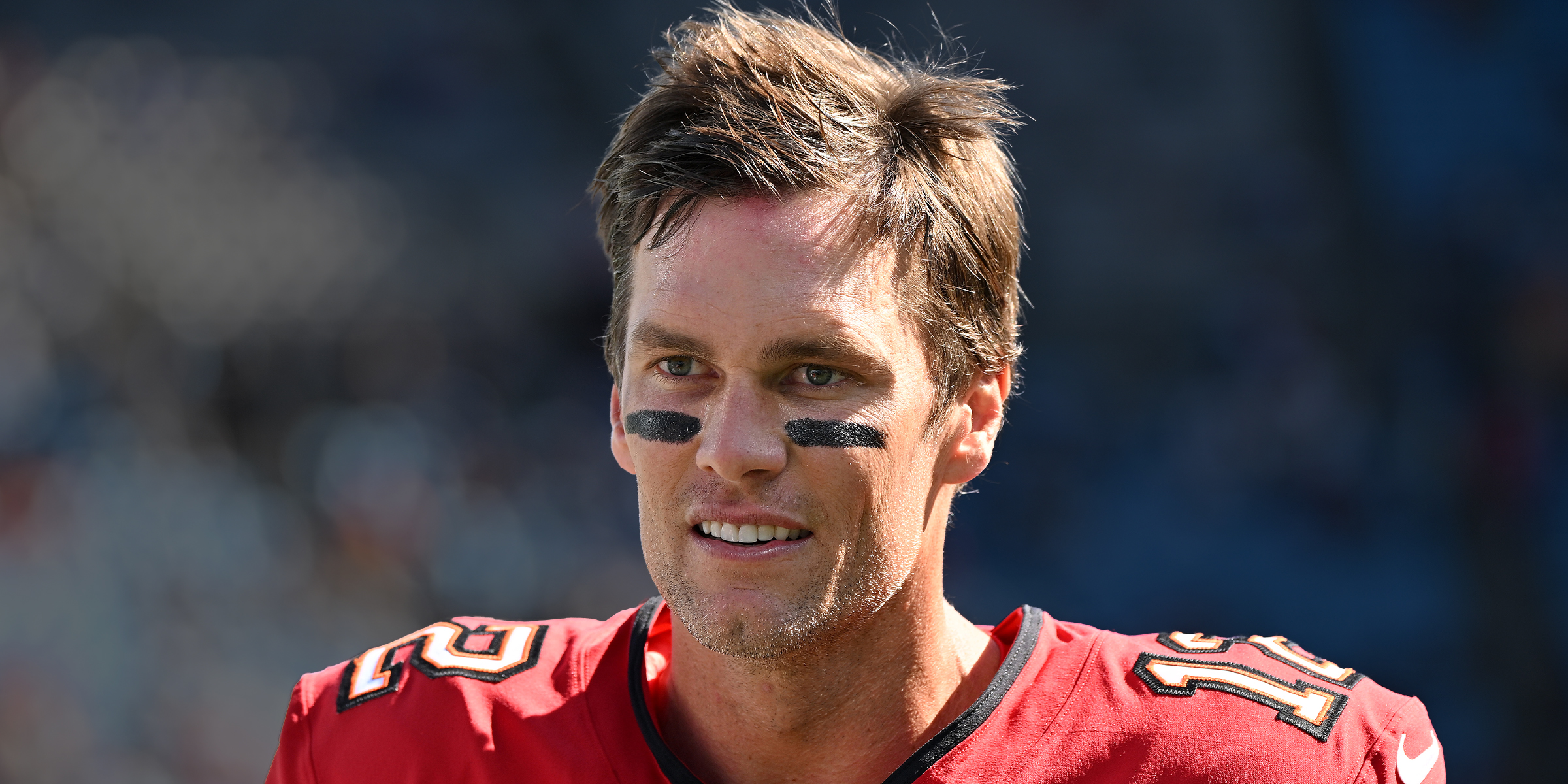
The eldest son of NFL icon Tom Brady has left netizens gasping for air with his impressive, towering stature and strikingly handsome features in recent photos shared by NBA star Karl-Anthony Towns. Read below to see the arresting images and what the public is gushing over!
Nov 26, 2025

Chaos erupted in the ballroom when a longtime "Dancing With the Stars" judge spun away from her critique — and straight into a real-life showdown. What began as a routine assessment quickly morphed into one of the most dramatic live moments in the show's history.
Nov 26, 2025

A record-setting vote, perfect scores, and a surprising win — Season 34 of "Dancing With the Stars" wrapped with a finale that sparked celebration and controversy.
Nov 26, 2025
The first losses of the year were faint rumbles, easy to overlook — until they weren't. Soon the names grew heavier, each announcement landing with its own quiet jolt, a reminder of how quickly familiar lights can fade.
Nov 25, 2025

A rising singer known by her stage name Delarosa died over the weekend in Los Angeles, leaving fans shocked and questions swirling around her sudden and tragic death.
Nov 25, 2025
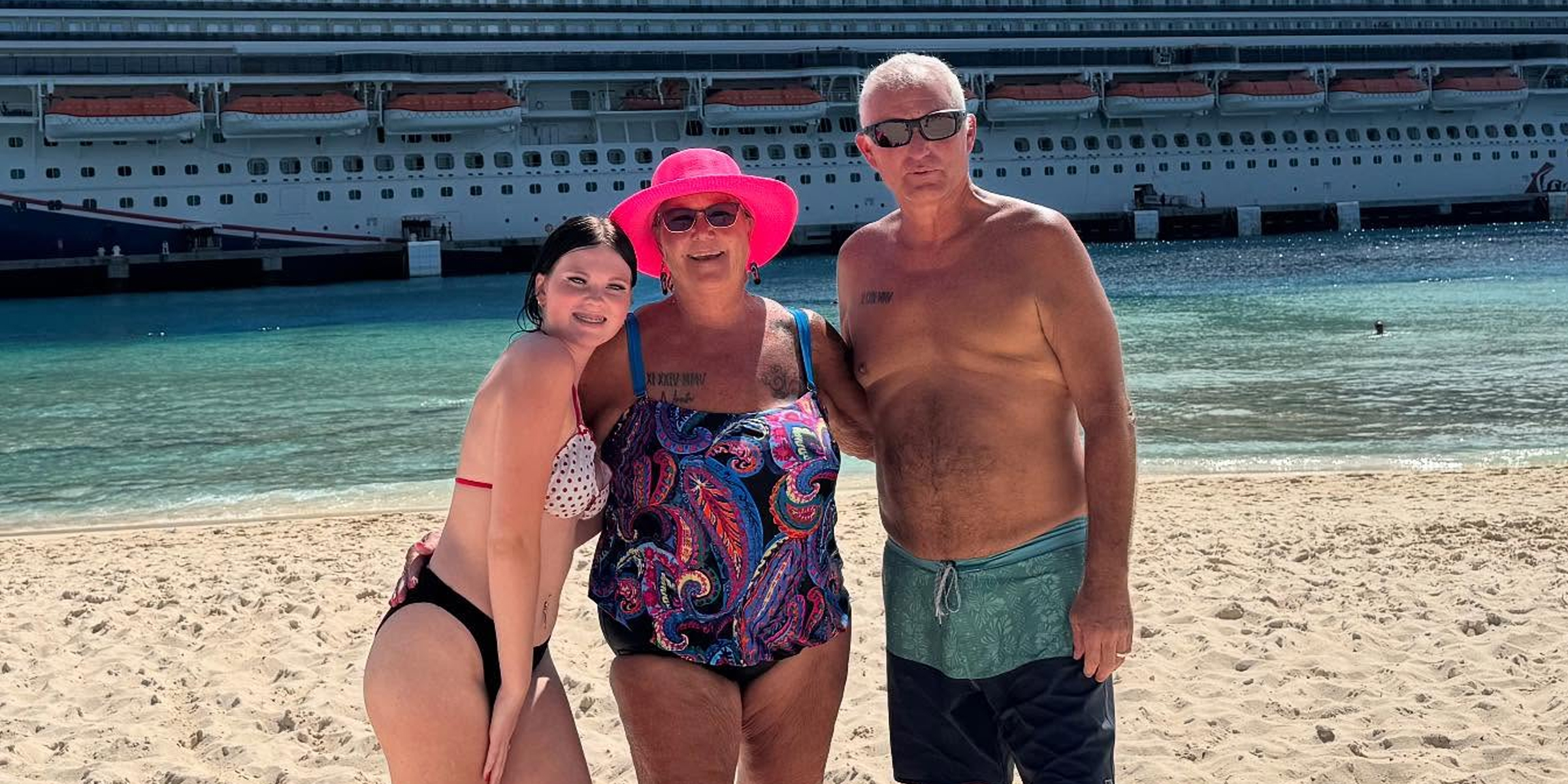
The family of beloved late teen Anna Kepner has broken their silence since her tragic death aboard a cruise ship. This comes amid Kepner's step-brother being dubbed a suspect in the case. Read below to see what they had to say in a recent interview with ABC News.
Nov 25, 2025

Musical star Ne-Yo recently celebrated his daughter's 15th birthday with an endearing father-daughter post on Instagram. Although the post was meant to be sweet and sentimental, it ended up igniting diverse reactions from netizens, with some finding his caption weird. Read all about it below!
Nov 24, 2025